
- In Algonquin, identify common allergens like dust mites, pollen, pet dander, and mold; monitor local pollen counts.
- Use weekly damp dusting, vacuum with HEPA filter, and consider replacing carpets with hard flooring to reduce allergens.
- Improve ventilation, use air purifiers with HEPA, replace HVAC filters regularly, and keep humidity below 50% to deter mites and mold.
- Allergen-proof your bedroom: encase pillows and mattresses, wash bedding at 130°F, keep pets out, and use a bedroom air purifier.
Spring is a time of renewal and fresh beginnings, but for many homeowners in Algonquin, it also marks the return of dust and allergens. As the temperatures rise, so do the levels of pollen, dust mites, and other allergens, making it essential to maintain a clean and healthy home environment. If you’re looking to breathe easier this spring, adopting a strategic cleaning approach can significantly reduce the presence of allergens in your home.
Whether you’re dealing with seasonal allergies or simply want to maintain a pristine living space, this comprehensive guide will provide you with actionable tips and insights. From understanding the sources of allergens to employing effective cleaning strategies, read on to discover how you can make your home a haven of cleanliness and comfort.
Understanding Common Household Allergens
Before diving into cleaning methods, it’s crucial to understand what you’re up against. Common household allergens include dust mites, pollen, pet dander, and mold spores. Each of these can contribute to respiratory issues, especially in individuals with asthma or allergies. Dust mites, for instance, thrive in warm, humid environments and are often found in bedding, carpets, and upholstery.
Pollen, on the other hand, enters your home through open windows and doors. It’s vital to be aware of the pollen count in your area, which can be easily checked through local weather services. Pet dander is another significant allergen, especially for those with furry companions. Regular grooming and cleaning can help mitigate its effects.
Lastly, mold spores can grow in damp areas such as basements, bathrooms, and kitchens. They not only trigger allergic reactions but can also cause structural damage to your home if left unchecked. Understanding these allergens is the first step towards effectively reducing them.
Implementing an Effective Cleaning Routine
Creating and maintaining an effective cleaning routine is paramount in minimizing dust and allergens. Start by scheduling regular cleanings, ideally weekly, to keep your home in optimal condition. Focus on high-traffic areas and spots most prone to allergen accumulation, such as living rooms, bedrooms, and kitchens.
When cleaning, use a damp cloth instead of a dry one to trap dust particles rather than dispersing them into the air. For floors, consider using a vacuum cleaner with a HEPA filter, which is designed to capture small particles that other vacuums might miss. It’s advisable to vacuum carpets, rugs, and upholstery at least once a week. If feasible, consider replacing carpets with hardwood or tile floors, as these surfaces are less likely to harbor allergens.
Choosing the Right Cleaning Products
The cleaning products you choose can have a significant impact on allergen levels in your home. Opt for products labeled as hypoallergenic or those specifically designed to combat allergens. Avoid harsh chemicals and scented products, as these can exacerbate allergy symptoms.
For a natural alternative, consider making your own cleaning solutions using ingredients like vinegar, baking soda, and lemon juice. These not only help reduce allergens but also minimize your exposure to potentially harmful chemicals.
Improving Indoor Air Quality
Indoor air quality can greatly affect the presence of allergens in your home. One of the simplest ways to improve air quality is to ensure proper ventilation. Open windows on days with low pollen counts to allow fresh air to circulate. You might also invest in an air purifier with a HEPA filter to capture airborne particles.
Regularly replace the filters in your heating, ventilation, and air conditioning (HVAC) system to keep it running efficiently and reduce allergen circulation. For those with severe allergies, consider using a dehumidifier to keep humidity levels below 50%, as this discourages dust mites and mold growth.
The Role of Houseplants
Houseplants can be a natural way to improve air quality by absorbing carbon dioxide and releasing oxygen. However, it’s important to choose plants that do not contribute to allergen levels. Some plants, like spider plants and peace lilies, are known to purify the air without producing pollen themselves. Ensure that plants are well-maintained and free from mold to prevent them from becoming a source of allergens.
Allergy-Proofing Your Bedroom
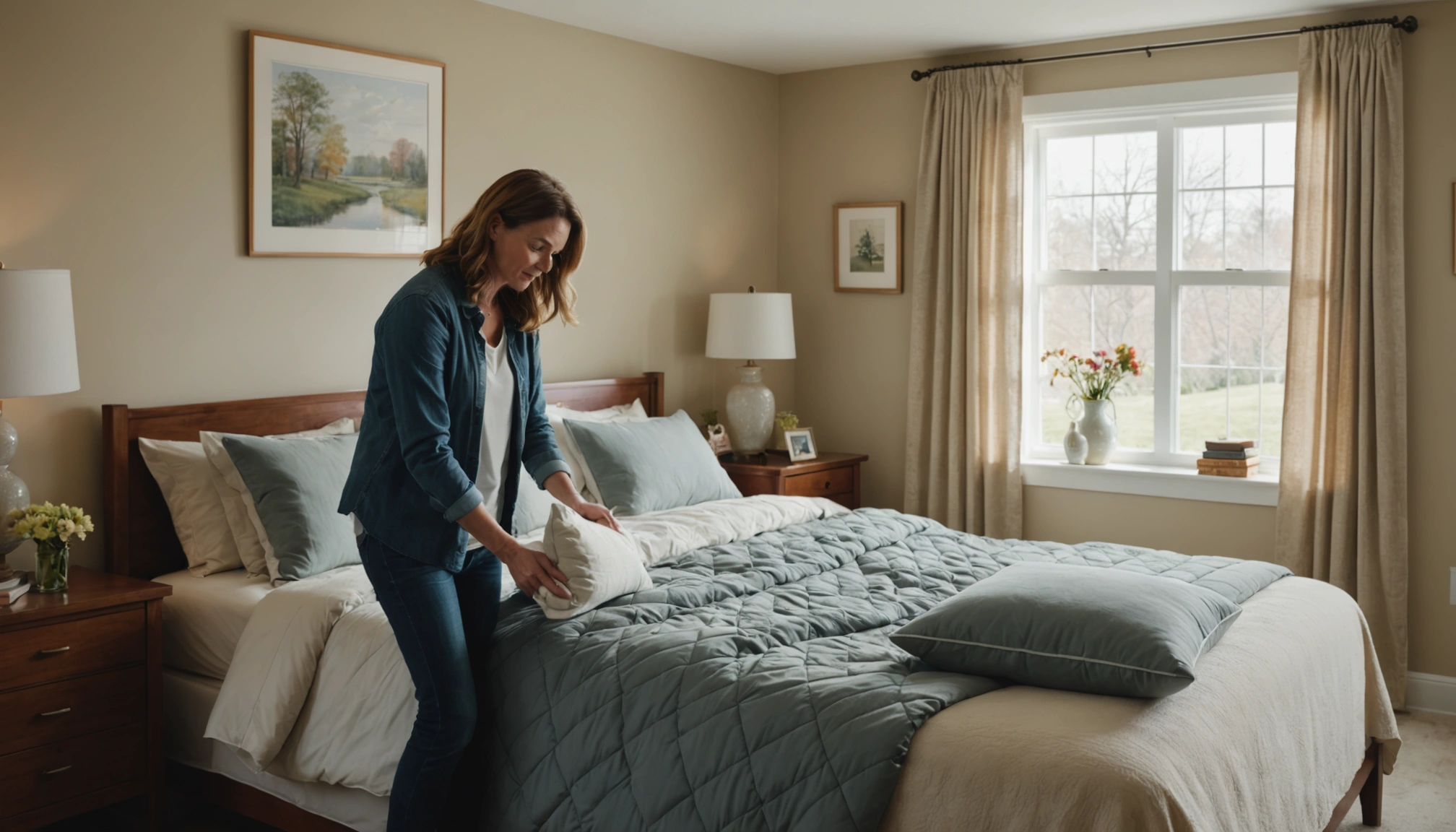
The bedroom is a critical area for allergy-proofing since it’s where you spend a significant portion of your time. Start by encasing pillows, mattresses, and box springs in allergen-proof covers. These covers create a barrier that prevents dust mites and other allergens from penetrating.
Regularly wash bedding in hot water, at least 130°F, to kill dust mites. If possible, avoid heavy drapes and opt for blinds or washable curtains. Keep pets out of the bedroom to minimize exposure to pet dander, and consider using an air purifier to maintain a clean sleeping environment.
Decluttering for a Healthier Space
Clutter can attract and hold dust, making it more challenging to maintain a clean home. Simplify your space by organizing and storing items in closed cabinets or boxes. This reduces the surfaces where dust can accumulate and makes cleaning more manageable.
Incorporate regular decluttering sessions into your cleaning routine. Donate or dispose of items you no longer need, and consider adopting a minimalist approach to decor. This not only helps reduce dust but also creates a more serene and organized living environment.
Regular Maintenance and Check-Ups
To keep allergens at bay, regular maintenance and check-ups of your home’s systems are essential. Schedule annual inspections of your HVAC system to ensure it’s operating efficiently and not circulating dust and allergens. Similarly, check for any water leaks or mold growth, especially in damp areas like basements and bathrooms.
Smoke detectors and carbon monoxide alarms should also be tested regularly to ensure they’re functioning correctly. These devices play a crucial role in maintaining a safe and healthy home environment.
Seasonal Considerations
Seasonal changes can affect allergen levels, so it’s important to adapt your cleaning routine accordingly. In the spring, keep windows closed on high-pollen days and consider using a dryer instead of hanging clothes outside to prevent pollen from settling on them.
During the fall, clean gutters and check for fallen leaves that could become a breeding ground for mold. Each season brings unique challenges, and being proactive can help maintain a clean and allergen-free home year-round.
Takeaways
Reducing dust and allergens in your Algonquin home this spring involves a combination of understanding the sources of allergens, implementing effective cleaning routines, and maintaining good indoor air quality. By taking these steps, you can create a healthier living environment that allows you to enjoy the beauty of the season without the discomfort of allergies.
Remember, consistency is key. Regular cleaning, monitoring, and maintenance can go a long way in keeping allergens at bay. By adopting these strategies, you can transform your home into a sanctuary of cleanliness and comfort, making it a place where you and your family can breathe easy.
In addition to the strategies already discussed, there are several other methods and lifestyle adjustments that can further help reduce dust and allergens in your home. By implementing these additional tips, you can ensure a comprehensive approach to maintaining a cleaner and healthier home environment.
Utilizing Technology for a Cleaner Home
The integration of technology in home cleaning has made it easier to keep allergens at bay. Robotic vacuum cleaners, for example, can be programmed to clean your floors even when you’re not at home. These devices often come equipped with HEPA filters, ensuring they effectively capture dust and allergens.
Smart home systems can also assist in maintaining optimal air quality. Devices that monitor indoor air pollution levels can alert you when it’s time to change filters or increase ventilation. By staying informed about your home’s air quality, you can take timely actions to mitigate potential allergen issues.
Smart Thermostats and Air Quality Monitors
Smart thermostats can be an invaluable tool in managing humidity levels, which is crucial for reducing dust mites and mold. These devices allow you to set and maintain optimal temperature and humidity levels, promoting a healthier environment. Additionally, air quality monitors can provide real-time data on pollutant levels, enabling you to make informed decisions about air purification and ventilation.
Adopting Allergy-Friendly Fabrics and Materials
Fabrics and materials used in your home can significantly impact allergen levels. Opt for allergy-friendly materials when choosing furniture, bedding, and flooring. Natural fibers such as cotton and wool are less likely to harbor dust mites compared to synthetic materials.

When selecting furniture, look for pieces with smooth surfaces that are easy to clean. Leather and faux leather are good choices as they don’t trap dust like fabric upholstery. For curtains and blinds, choose materials that can be easily washed or wiped down.
Hypoallergenic Bedding Options
Investing in hypoallergenic bedding can make a significant difference in reducing allergens in your bedroom. Look for pillows and mattresses made with materials that resist dust mites and mold growth. Hypoallergenic pillows often contain synthetic fillings designed to minimize allergen accumulation, offering a cleaner and more comfortable sleep environment.
The Importance of Regular HVAC Maintenance
Regular maintenance of your HVAC system is crucial in maintaining good indoor air quality. Dirty air ducts can circulate dust and allergens throughout your home, exacerbating allergy symptoms. Schedule professional duct cleaning services annually or whenever you notice an increase in dust levels.
Beyond cleaning, consider upgrading your HVAC filters to those with a higher MERV rating, which indicates better filtration efficiency. Regularly replacing these filters, at least every three months, ensures that your system continues to operate effectively, trapping allergens before they circulate through your home.
Checking for Leaks and Insulating Properly
Ensuring your home is well-insulated can prevent allergens from entering your living spaces. Check for any leaks around windows and doors, sealing them with weatherstripping or caulk as needed. Proper insulation not only helps keep allergens out but also improves energy efficiency, saving you money on utility bills.
Integrating Natural Remedies and Lifestyle Adjustments
Incorporating natural remedies and lifestyle changes can further enhance your efforts to reduce allergens. Essential oils such as eucalyptus and tea tree oil have natural antimicrobial properties that can help purify the air. Consider using a diffuser to disperse these oils throughout your home.
Additionally, maintaining a healthy lifestyle can boost your immune system, making you less susceptible to allergy symptoms. A balanced diet rich in fruits, vegetables, and omega-3 fatty acids can help reduce inflammation and support respiratory health.
Mindful Practices and Stress Reduction
Stress can exacerbate allergy symptoms, so it’s important to incorporate stress-reducing practices into your daily routine. Activities such as yoga, meditation, and regular exercise can help lower stress levels, promoting overall well-being and potentially reducing allergy flare-ups. By prioritizing both physical and mental health, you can create a more resilient body better equipped to handle allergens.
Collaborating with Professionals for a Thorough Clean
While regular cleaning and maintenance can significantly reduce allergens, enlisting the help of professional cleaning services can provide a deeper clean. Professionals have access to specialized equipment and products that can tackle hard-to-reach areas and stubborn allergens.
Consider scheduling professional cleanings seasonally to ensure your home remains as allergen-free as possible. These services can supplement your regular cleaning routine and offer peace of mind knowing that your home is thoroughly sanitized.
Professional Mold Inspection and Remediation
If you suspect mold growth, it’s wise to seek professional inspection and remediation services. Mold can be hazardous to your health, and attempting to remove it yourself can sometimes exacerbate the problem. Experts can identify the source of moisture contributing to mold growth and provide effective solutions to eliminate it.
Creating a Sustainable Allergy Management Plan
Reducing dust and allergens in your Algonquin home involves a combination of strategic cleaning, technology integration, and lifestyle adjustments. By understanding the sources of allergens and implementing comprehensive cleaning practices, you can create a healthier living environment. Remember, it’s important to adapt these strategies to fit your specific needs and situation, ensuring they are sustainable and effective over the long term.
With consistency and dedication, you can significantly improve the air quality in your home, allowing you and your family to enjoy the beauty of spring without the discomfort of allergies. By implementing these tips and remaining proactive, you can transform your home into a sanctuary of cleanliness, comfort, and health.
